
Missing a doctor’s appointment because of transportation issues can lead to delayed treatments and worsened health conditions. For many individuals, driving themselves or taking public transit simply isn’t a safe or viable option. Physical, medical, or cognitive limitations often create a significant barrier to receiving essential medical care.
Non-Emergency Medical Transportation (NEMT) exists to bridge this gap. These specialized services ensure that vulnerable populations can reach their healthcare providers safely and on time. This comprehensive guide to non-emergency medical transportation explains exactly how NEMT works, the different types of services available, funding options, and how to select the right provider for your specific needs.
What is Non-Emergency Medical Transportation (NEMT)?
Non-Emergency Medical Transportation (NEMT) is a specialized service provided to individuals who need assistance traveling to and from medical appointments, pharmacies, or rehabilitation centers, but do not require immediate emergency intervention. Unlike an ambulance rushing a patient to the ER, NEMT is scheduled in advance.
These services cater to people who might use wheelchairs, require stretchers, or simply need a supportive arm to lean on. The vehicles are specially modified to accommodate medical equipment, and the drivers receive training to assist passengers with mobility challenges.
Who Pays for NEMT?
A common concern regarding specialized transportation is the cost. Fortunately, several avenues exist to help cover or completely fund NEMT services.
Medicaid
Medicaid is the largest provider of NEMT coverage in the United States. Federal law requires state Medicaid programs to provide transportation to and from medical providers for beneficiaries who have no other means of travel. You usually need to get authorization prior to your appointment to utilize this benefit.
Medicare and Medicare Advantage
Original Medicare (Part A and Part B) generally does not cover non-emergency transportation. However, many private Medicare Advantage (Part C) plans have begun including NEMT as a supplemental benefit. Check your specific plan details to see if you have an allotted number of trips per year.
Private Health Insurance
Standard private health insurance policies rarely cover NEMT. Some premium plans or specific auto insurance policies (in the event of a car accident) might offer limited coverage. It is always best to call your insurance representative to verify your benefits.
Out-of-Pocket and Local Programs
When insurance does not cover the cost, patients pay out-of-pocket. NEMT providers usually charge a base fee plus a per-mile rate. Additionally, many local community organizations, senior centers, and nonprofit groups offer subsidized transportation programs for residents.
Types of NEMT Services Available
NEMT offers various modes of transport to serve the diverse needs of patients. Providers tailor their vehicles and staffing to match the specific physical requirements of the passenger.
Ambulatory Transportation
This service is designed for patients who can walk independently or with the help of a cane or walker. The passenger does not need a wheelchair or stretcher but still requires a reliable, safe ride and perhaps a steadying hand from the driver to get from the door to the vehicle.
Wheelchair Transportation
Wheelchair transport utilizes specially equipped vans featuring hydraulic lifts or ramps. The passenger remains securely in their own wheelchair during the ride. Drivers receive specific training on how to properly strap down the chair using multi-point tie-down systems, ensuring maximum safety during transit.
Stretcher Medical Transport
Stretcher transportation serves patients who are bed-bound or suffer from conditions that prevent them from sitting upright. These vehicles carry a medical cot and are staffed by professionals who can safely transfer the patient onto the stretcher. While they do not provide emergency life-support, they offer a comfortable and secure environment for frail patients.
How to Choose the Right NEMT Provider
Selecting a reliable NEMT provider is critical for your safety and peace of mind. Keep these key factors in mind when making your choice.
Verify Credentials and Licensing
Ensure the company holds the proper state and local licenses to operate a medical transport business. They should carry comprehensive liability insurance.
Ask About Driver Training
The quality of the driver dictates the quality of the ride. Ask the provider if their drivers are certified in CPR and First Aid. They should also pass regular background checks and drug screenings.
Inspect the Fleet
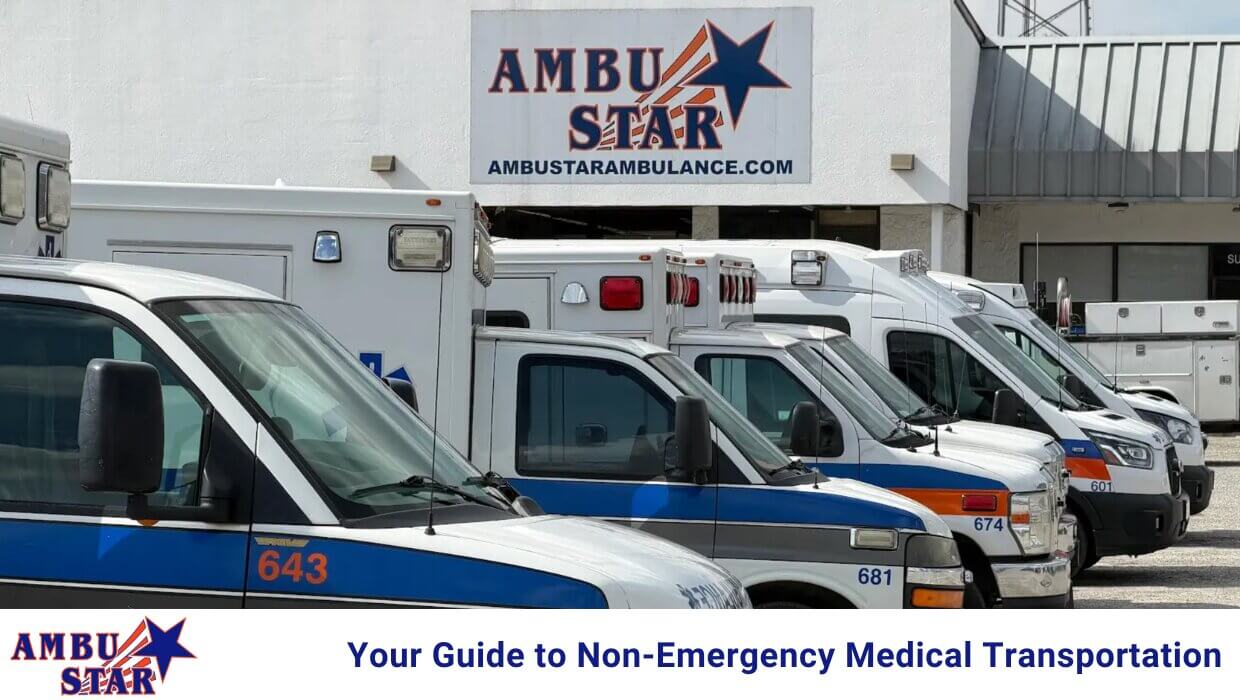
A reputable provider maintains a clean, modern, and regularly serviced fleet of vehicles. The lifts, ramps, and tie-down mechanisms must meet safety standards to prevent accidents.
Empowering Access to Healthcare for All
Reliable transportation should never be the reason someone misses out on necessary medical care. Non-Emergency Medical Transportation provides a vital lifeline, ensuring that seniors, individuals with disabilities, and those recovering from surgery can access their healthcare providers with dignity and ease. By understanding the available services and knowing how to evaluate potential providers, you can secure safe, comfortable, and punctual travel for yourself or your loved ones.
If you are ready to book a reliable ride with professionals who prioritize your health and safety, contact Ambustar for your non-emergency medical transportation needs.

